
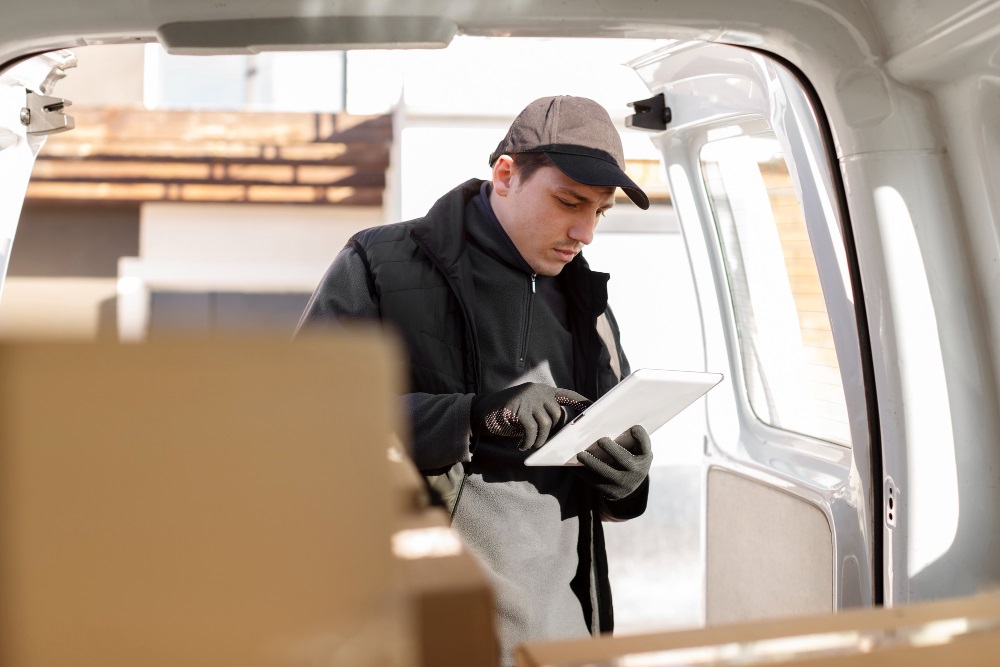
Moving art across any distance demands careful planning and a touch of expertise. For artists, galleries, or collectors in Europe, safely shipping paintings and drawings is no small feat. Many pieces are fragile, valuable, and often irreplaceable, which makes proper preparation essential. While European routes offer reliable logistics, there are several layers to consider before an artwork even hits the road. Exploring established best practices helps maintain the integrity of works and avoid costly mistakes.
Preparing artwork for transport
Without a solid plan, artwork is vulnerable to scratches, moisture, bending, or worse. Preparation begins long before packing, demanding both attention and suitable materials. Adopting a structured approach sets the tone for safer journeys, regardless of final destination or mode of travel.
Choosing the right method and supplies streamlines the process and significantly reduces risks linked with international and European art shipping. Everything from surface type to size plays a role in shaping this initial phase.
Assessing the artwork’s specific needs
Sculptures require a different handling process compared to paper-based pieces or canvases. Evaluating dimensions and identifying points of fragility can influence all downstream decisions, from rolling or folding large artworks (when appropriate) to employing stronger supports. Not every piece should be rolled—certain paintings and delicate sketches may suffer permanent creasing or pigment loss if handled incorrectly.
During assessment, paying attention to mixed media elements adds further protection. Attachments like glass, wood, or textiles may need additional layers or separation techniques before proceeding to actual packaging.
???? Professional solution: Moviiu art transport : Once the specific needs of a piece are identified, the next challenge is finding a carrier who can guarantee museum-level standards. Moviiu offers a dedicated fine-art transport solution across Europe, combining secure handling, custom packing, climate-controlled vehicles, and full insurance options. Whether for a single canvas, a fragile sculpture, or a multi-piece shipment for exhibition, Moviiu ensures every stage of the journey, pickup, customs, and final delivery, is managed by trained professionals. With Moviiu, collectors, galleries, and artists gain access to a trusted network of fine-art shippers, while benefiting from transparent pricing and real-time coordination. This approach reduces risk and provides peace of mind, especially for cross-border transports where logistics can be complex.
Selecting appropriate packing materials
Artwork packaging and protection start with quality supplies. Specialists recommend using acid-free or archival materials because standard cardboard or tape can trigger chemical reactions over time. These specialized tools protect surfaces from yellowing, mildew, and disintegration, which is crucial for works that might spend days in transit or storage.
Bubble wrap usage remains widespread but demands care. Direct contact between bubble wrap and museum-quality paintings can create impressions on paint or varnish due to pressure changes during transport. Always place a layer of acid-free tissue or glassine between the artwork and cushioning to avoid this pitfall.
Packing techniques for safe transport
Once the right materials are assembled, applying effective packing methods makes a significant difference. Precise execution becomes paramount here: careless packaging leads directly to damaged frames, torn edges, or smudged surfaces.
Europe’s varied climate and bumpy logistics routes only increase the importance of robust packing standards. The goal is always avoiding damage and costly mistakes by minimizing movement within each package while safeguarding against temperature fluctuations, jostling, or accidental drops.
Implementing crating and custom crates
A step up from simple boxes, crating and custom crates are vital for high-value or oversized items. Custom-built frames hug each work snugly, providing superior support throughout the journey. Foam inserts, shock absorbers, and waterproof barriers enhance durability while reducing vibrations inside the crate.
Custom crates also facilitate secure stacking if multiple works travel together. Labels indicating “fragile” and clear orientation marks reduce confusion when handled by multiple parties or at customs checkpoints, a common feature in international and European art shipping scenarios.
The merits of rolling versus folding large artworks
For sizable canvases or prints without stretchers or stiff backing, rolling represents a gentle alternative to folding. This technique lessens the odds of creasing and is especially useful for temporary moves or exhibition loans. Acid-free tubes, capped and cushioned, prevent dust or dents from contacting the image surface.
Folding, by contrast, almost never suits original works except certain textiles intended for such treatment. Permanent folds leave visible lines or cracked pigments. If space constraints arise, consult conservators or specialist shippers before moving forward with any unconventional approach.
Choosing reliable art shipping companies or shippers
Entrusting precious items to others introduces its own risks. Selecting art shipping companies or shippers equipped with experience ensures professionalism at every stage—from door pickup to unpacking abroad.
Key considerations focus not just on budget but on reputation, insurance coverage, and network reach. Comparing providers is not solely about price; peace of mind stems from proven track records and crystal-clear communication channels.
Evaluating service levels and expertise
Handling fine art requires more than generic courier skills. Look for shippers who offer condition reporting, environmental monitoring, and transit updates. Dedicated teams should know how to manage customs documentation, arrange secure loading, and coordinate with destination institutions if necessary.
Experienced providers can advise on tailored solutions whether facing a short-haul delivery between cities or complex international transfers involving multiple stops. Prior knowledge means fewer surprises along the way, from hidden fees to unexpected logistical detours.
Insurance and documentation essentials
No one enjoys paperwork, yet neglecting documentation exposes owners to major loss potential. Complete inventory lists, photographic evidence, condition reports, and certificates are non-negotiable when shipping paintings and drawings. Insurers may deny claims tied to vague or incomplete information.
An adequate policy cushions the blow if disaster strikes. Comprehensive coverage options vary; full-risk policies tend to command higher premiums, but they provide unmatched reassurance should anything go awry en route to a European capital or rural gallery alike.
Final checks and practical tips
Beyond expert packing and carrier selection, small checklists and routines add another protective layer before artworks set off for their destinations. Rechecking labels, verifying tracking services, and ensuring climatic controls remain consistent all play a role in preserving artistic investments throughout the journey.
Staying informed about local regulations or weather forecasts lets shippers preempt delays or mishaps. Art rarely benefits from last-minute rushing—slowing down to double-check details keeps masterpieces secure and owners at ease.
- Create a room-by-room checklist before removing any pieces for shipment.
- Photograph each item as it’s packed for added documentation.
- Attach written instructions for handlers if the destination agent speaks a different language.
- Regularly update all parties involved about transit progress.
- Monitor humidity and temperature if storing works for extended periods prior to transport.


